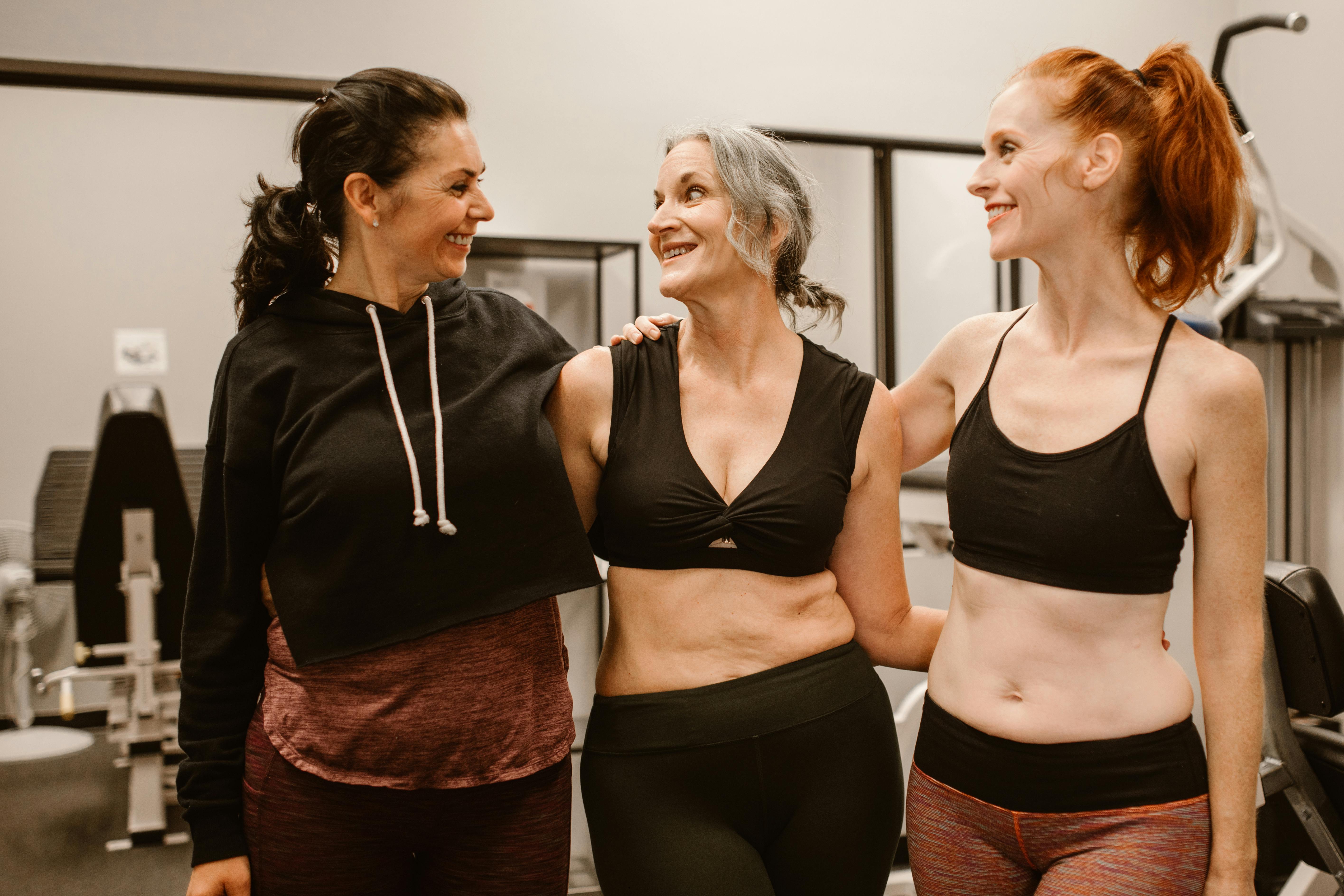
Perimenopause and menopause are major physiological transitions, yet they remain some of the least supported phases of women’s health. Despite the scale and duration of this transition, menopause management is still mainly reactive and dependent on infrequent doctor visits.
The biggest challenge with menopause monitoring is visibility. Hormonal changes affect daily physiology long before they trigger clear clinical markers, and many of the most impactful symptoms occur outside the clinic, at night, during work, or in everyday life. Without continuous insight during sleep, recovery, stress, and activity patterns, both individuals and clinicians are left to manage menopause with limited data and delayed feedback.
We know, and hopefully at this point you know, that wearable data is the answer when it comes to capturing such complex conditions as menopause. By integrating continuous, real-time data, wearables can help translate all the missed symptoms into measurable patterns. When interpreted correctly, this data supports earlier recognition of symptom trends, more informed conversations, and personalized management strategies across perimenopause and menopause. So today, we explore how wearables can help close the data gap in menopause care and enable a more proactive, individualized approach to long-term health.
Perimenopause and menopause are defined by gradual but significant hormonal shifts, primarily involving estrogen and progesterone. Perimenopause can begin years before menopause itself, often in the early to mid-40s, and is marked by fluctuating hormone levels rather than a steady decline. Menopause is clinically defined after 12 consecutive months without a menstrual cycle, but the physiological changes extend well beyond that point.
Let’s go through some key aspects for better understanding:
Hormonal changes and timelines
Estrogen levels become irregular during perimenopause, leading to unpredictable cycles and symptoms. After menopause, estrogen stabilizes at a lower level, which continues to influence metabolism, cardiovascular health, bone density, and stress response.
Common symptoms
Many individuals experience sleep disruption, hot flashes and night sweats, mood changes, increased fatigue, cognitive fog, weight gain, and reduced recovery capacity. These symptoms often interact, poor sleep can worsen mood, stress can intensify hot flashes, and fatigue can reduce activity levels.
Symptoms variety
Menopause is not a uniform experience. Genetics, baseline fitness, stress exposure, lifestyle, prior health conditions, and even work schedules all influence how symptoms present. Two people of the same age may experience completely different challenges, making standardized care approaches insufficient.
This variability is exactly why menopause management benefits from continuous, personalized insight rather than one-time assessments or generalized advice.
Perimenopause and menopause are an unavoidable part of women’s physiology, so roughly speaking, half of our population goes through this experience, but there’s not much movement in how these conditions are managed. Unfortunately, care models have changed very little over the past decades. Most approaches still rely on uncontrolled doctor visits, self-reported symptoms, and short consultations that capture only a small snapshot of what someone is experiencing. This makes it difficult to understand patterns, triggers, and long-term trends.
Key limitations of traditional management can be seen in:
Because menopause affects sleep, cardiovascular health, mental well-being, metabolism, and activity levels altogether, managing it through isolated check-ins is at least insufficient. The good news is that this gap is driving interest in more continuous, data-informed approaches that can reflect how symptoms evolve in real life, not just in the clinic, which moves us to a wearable approach!
Even owning just a simple smartwatch can open a door to several biomarker insights that paint the bigger picture of each perimenopause and menopause case. For us, the most interesting aspects are:
Sleep monitoring
Changes in sleep duration, efficiency, nighttime awakenings, and resting heart rate often reflect hot flashes, night sweats, or heightened stress before they are consciously reported. For more information, visit our sleep monitoring with wearables page!
Cardiovascular and recovery signals
Metrics such as resting heart rate and heart rate variability provide insight into autonomic balance, recovery capacity, and chronic stress load, all of which can shift significantly during hormonal transitions.
Activity and energy patterns
Step counts, activity intensity, and movement consistency help identify fatigue, motivation changes, or reduced tolerance for exercise, enabling more realistic and supportive activity guidance.
Trend-based understanding instead of daily noise
Wearables make it possible to observe trajectories over weeks and months, helping distinguish short-term fluctuations from meaningful physiological change.
Although we have to be fair, wearable data does not replace symptom tracking or clinical judgment. Instead, it adds context, enriches what you already might know and feel. It helps individuals and doctors see how different phases interact over time, creating a more complete picture of menopause as a dynamic process rather than a fixed phase.
The true value of wearables lies in more than just collecting as many metrics as possible. At Thryve, we believe in the quality of the data over quantity. When integrating wearables, we should focus on translating patterns into meaningful results that can benefit both sides in healthcare.
Key use cases include:
It all comes down to symptom awareness and self-management. Wearables help individuals recognize patterns behind symptoms such as sleep disruption, hot flashes, fatigue, or mood changes. By linking daily behaviors and physiological signals to how they feel, women can make more informed adjustments to sleep routines, activity levels, stress management, and recovery during perimenopause and menopause.
Improved consultations and treatment monitoring are the key benefits. Continuous wearable data provides context between appointments, supporting more informed conversations. Trends in sleep, heart rate, HRV, or activity can help clinicians assess symptom progression, evaluate treatment responses, and tailor recommendations beyond what short clinic visits or retrospective recall allow.
The focus would be personalized menopause support. Wearables enable dynamic personalization of content, coaching, and interventions. Apps can adapt recommendations based on real-world data, adjust intensity as symptoms fluctuate, and reduce drop-off by delivering support that aligns with each user’s current physiological state.
In this way, wearables help turn menopause from an unpredictable experience into a measurable, manageable transition.
Even though wearables are a great tool for more detailed and personalized menopause management, they cannot cover all the aspects. It’s important to remember several things:
Perimenopause and menopause are long-term transitions, not short clinical events. Wearables offer a powerful way to make these changes visible, measurable, and manageable over time, helping women better understand their bodies and supporting more informed care decisions. When combined with high-quality data and responsible interpretation, wearable insights can enable truly personalized menopause management rather than one-size-fits-all guidance.
If you are building a women’s health app, research initiative, or care program, Thryve provides the API to turn wearable signals into meaningful menopause insights. We offer an infrastructure that enables real-time analytics and scalable integration for clinical research, digital therapeutics, wellness apps, and employer or insurer programs focused on women’s health.
Book a demo with Thryve to improve women’s health today!

Paul Burggraf, co-founder and Chief Science Officer at Thryve, is the brain behind all health analytics at Thryve and drives our research partnerships with the German government and leading healthcare institutions. As an economical engineer turned strategy consultant, prior to Thryve, he built the foundational forecasting models for multi-billion investments of big utilities using complex system dynamics. Besides applying model analytics and analytical research to health sensors, he’s a guest lecturer at the Zurich University of Applied Sciences in the Life Science Master „Modelling of Complex Systems“


.png)
.png)
.png)